Sammlung History Of Yazidi Religion Ausgezeichnet
Sammlung History Of Yazidi Religion Ausgezeichnet. Middle eastern gods often appeared in the guise of these animals or as a combination of these animals and humans: As thousands struggle to survive in …

Coolest Specialists Historians Ethnographers Still Mistakenly Interpret The Religion Of Yazidism And The Very Concept Of The Yazidi People
Their rich oral tradition is their primary way of passing on their beliefs, which makes it complicated for scholars and. As thousands struggle to survive in … Middle eastern gods often appeared in the guise of these animals or as a combination of these animals and humans:Yezidi reverence for snakes and birds may also represent the remnants of much earlier religious beliefs.
Middle eastern gods often appeared in the guise of these animals or as a combination of these animals and humans: The god horus, one of the oldest in the egyptian pantheon, was pictured as a man with the head of a falcon. Their rich oral tradition is their primary way of passing on their beliefs, which makes it complicated for scholars and. As thousands struggle to survive in … It was during the 13 th and 14 th centuries that the yazidis began to draw the attention of neighboring muslim rulers.

Their rich oral tradition is their primary way of passing on their beliefs, which makes it complicated for scholars and. .. Middle eastern gods often appeared in the guise of these animals or as a combination of these animals and humans:

Yezidi reverence for snakes and birds may also represent the remnants of much earlier religious beliefs. The god horus, one of the oldest in the egyptian pantheon, was pictured as a man with the head of a falcon. Middle eastern gods often appeared in the guise of these animals or as a combination of these animals and humans:. The god horus, one of the oldest in the egyptian pantheon, was pictured as a man with the head of a falcon.

Middle eastern gods often appeared in the guise of these animals or as a combination of these animals and humans: Yazidi, member of a kurdish religious minority found primarily in northern iraq, southeastern turkey, and northern syria. Middle eastern gods often appeared in the guise of these animals or as a combination of these animals and humans: It was during the 13 th and 14 th centuries that the yazidis began to draw the attention of neighboring muslim rulers. Yezidi reverence for snakes and birds may also represent the remnants of much earlier religious beliefs.

Yazidi, member of a kurdish religious minority found primarily in northern iraq, southeastern turkey, and northern syria. The god horus, one of the oldest in the egyptian pantheon, was pictured as a man with the head of a falcon. As thousands struggle to survive in … Yazidi, member of a kurdish religious minority found primarily in northern iraq, southeastern turkey, and northern syria. Middle eastern gods often appeared in the guise of these animals or as a combination of these animals and humans: Their rich oral tradition is their primary way of passing on their beliefs, which makes it complicated for scholars and. Yezidi reverence for snakes and birds may also represent the remnants of much earlier religious beliefs. It was during the 13 th and 14 th centuries that the yazidis began to draw the attention of neighboring muslim rulers.. Middle eastern gods often appeared in the guise of these animals or as a combination of these animals and humans:

As thousands struggle to survive in … . The god horus, one of the oldest in the egyptian pantheon, was pictured as a man with the head of a falcon.

Yazidi, member of a kurdish religious minority found primarily in northern iraq, southeastern turkey, and northern syria. . The god horus, one of the oldest in the egyptian pantheon, was pictured as a man with the head of a falcon.

Yazidi, member of a kurdish religious minority found primarily in northern iraq, southeastern turkey, and northern syria.. Yazidi, member of a kurdish religious minority found primarily in northern iraq, southeastern turkey, and northern syria. The god horus, one of the oldest in the egyptian pantheon, was pictured as a man with the head of a falcon. Their rich oral tradition is their primary way of passing on their beliefs, which makes it complicated for scholars and. As thousands struggle to survive in … Middle eastern gods often appeared in the guise of these animals or as a combination of these animals and humans: Yezidi reverence for snakes and birds may also represent the remnants of much earlier religious beliefs. It was during the 13 th and 14 th centuries that the yazidis began to draw the attention of neighboring muslim rulers.

Their rich oral tradition is their primary way of passing on their beliefs, which makes it complicated for scholars and. Yezidi reverence for snakes and birds may also represent the remnants of much earlier religious beliefs. The god horus, one of the oldest in the egyptian pantheon, was pictured as a man with the head of a falcon. Yazidi, member of a kurdish religious minority found primarily in northern iraq, southeastern turkey, and northern syria. As thousands struggle to survive in … Their rich oral tradition is their primary way of passing on their beliefs, which makes it complicated for scholars and. It was during the 13 th and 14 th centuries that the yazidis began to draw the attention of neighboring muslim rulers. Middle eastern gods often appeared in the guise of these animals or as a combination of these animals and humans:.. Yezidi reverence for snakes and birds may also represent the remnants of much earlier religious beliefs.

Yezidi reverence for snakes and birds may also represent the remnants of much earlier religious beliefs. Yazidi, member of a kurdish religious minority found primarily in northern iraq, southeastern turkey, and northern syria... Yazidi, member of a kurdish religious minority found primarily in northern iraq, southeastern turkey, and northern syria.

Yazidi, member of a kurdish religious minority found primarily in northern iraq, southeastern turkey, and northern syria... As thousands struggle to survive in … Middle eastern gods often appeared in the guise of these animals or as a combination of these animals and humans: Yazidi, member of a kurdish religious minority found primarily in northern iraq, southeastern turkey, and northern syria. It was during the 13 th and 14 th centuries that the yazidis began to draw the attention of neighboring muslim rulers. Their rich oral tradition is their primary way of passing on their beliefs, which makes it complicated for scholars and. The god horus, one of the oldest in the egyptian pantheon, was pictured as a man with the head of a falcon. Yezidi reverence for snakes and birds may also represent the remnants of much earlier religious beliefs. Middle eastern gods often appeared in the guise of these animals or as a combination of these animals and humans:

Yazidi, member of a kurdish religious minority found primarily in northern iraq, southeastern turkey, and northern syria.. Middle eastern gods often appeared in the guise of these animals or as a combination of these animals and humans: Yazidi, member of a kurdish religious minority found primarily in northern iraq, southeastern turkey, and northern syria. The god horus, one of the oldest in the egyptian pantheon, was pictured as a man with the head of a falcon. Their rich oral tradition is their primary way of passing on their beliefs, which makes it complicated for scholars and. It was during the 13 th and 14 th centuries that the yazidis began to draw the attention of neighboring muslim rulers. Yezidi reverence for snakes and birds may also represent the remnants of much earlier religious beliefs. As thousands struggle to survive in … Their rich oral tradition is their primary way of passing on their beliefs, which makes it complicated for scholars and.

Middle eastern gods often appeared in the guise of these animals or as a combination of these animals and humans: Middle eastern gods often appeared in the guise of these animals or as a combination of these animals and humans: Yezidi reverence for snakes and birds may also represent the remnants of much earlier religious beliefs. Their rich oral tradition is their primary way of passing on their beliefs, which makes it complicated for scholars and. It was during the 13 th and 14 th centuries that the yazidis began to draw the attention of neighboring muslim rulers. The god horus, one of the oldest in the egyptian pantheon, was pictured as a man with the head of a falcon. As thousands struggle to survive in … Yazidi, member of a kurdish religious minority found primarily in northern iraq, southeastern turkey, and northern syria. Yezidi reverence for snakes and birds may also represent the remnants of much earlier religious beliefs.

Their rich oral tradition is their primary way of passing on their beliefs, which makes it complicated for scholars and. The god horus, one of the oldest in the egyptian pantheon, was pictured as a man with the head of a falcon.

Their rich oral tradition is their primary way of passing on their beliefs, which makes it complicated for scholars and.. Middle eastern gods often appeared in the guise of these animals or as a combination of these animals and humans: The god horus, one of the oldest in the egyptian pantheon, was pictured as a man with the head of a falcon. As thousands struggle to survive in … Yazidi, member of a kurdish religious minority found primarily in northern iraq, southeastern turkey, and northern syria. It was during the 13 th and 14 th centuries that the yazidis began to draw the attention of neighboring muslim rulers. Yezidi reverence for snakes and birds may also represent the remnants of much earlier religious beliefs. Their rich oral tradition is their primary way of passing on their beliefs, which makes it complicated for scholars and.. Yazidi, member of a kurdish religious minority found primarily in northern iraq, southeastern turkey, and northern syria.

The god horus, one of the oldest in the egyptian pantheon, was pictured as a man with the head of a falcon... Yezidi reverence for snakes and birds may also represent the remnants of much earlier religious beliefs. As thousands struggle to survive in … Yazidi, member of a kurdish religious minority found primarily in northern iraq, southeastern turkey, and northern syria. The god horus, one of the oldest in the egyptian pantheon, was pictured as a man with the head of a falcon. Middle eastern gods often appeared in the guise of these animals or as a combination of these animals and humans: Their rich oral tradition is their primary way of passing on their beliefs, which makes it complicated for scholars and.

Yezidi reverence for snakes and birds may also represent the remnants of much earlier religious beliefs.. . The god horus, one of the oldest in the egyptian pantheon, was pictured as a man with the head of a falcon.

The god horus, one of the oldest in the egyptian pantheon, was pictured as a man with the head of a falcon. Middle eastern gods often appeared in the guise of these animals or as a combination of these animals and humans: Their rich oral tradition is their primary way of passing on their beliefs, which makes it complicated for scholars and. It was during the 13 th and 14 th centuries that the yazidis began to draw the attention of neighboring muslim rulers. Yezidi reverence for snakes and birds may also represent the remnants of much earlier religious beliefs. The god horus, one of the oldest in the egyptian pantheon, was pictured as a man with the head of a falcon. Yazidi, member of a kurdish religious minority found primarily in northern iraq, southeastern turkey, and northern syria. As thousands struggle to survive in ….. As thousands struggle to survive in …

Middle eastern gods often appeared in the guise of these animals or as a combination of these animals and humans:.. The god horus, one of the oldest in the egyptian pantheon, was pictured as a man with the head of a falcon. Yazidi, member of a kurdish religious minority found primarily in northern iraq, southeastern turkey, and northern syria. It was during the 13 th and 14 th centuries that the yazidis began to draw the attention of neighboring muslim rulers.

Middle eastern gods often appeared in the guise of these animals or as a combination of these animals and humans: Their rich oral tradition is their primary way of passing on their beliefs, which makes it complicated for scholars and. Yazidi, member of a kurdish religious minority found primarily in northern iraq, southeastern turkey, and northern syria.. Their rich oral tradition is their primary way of passing on their beliefs, which makes it complicated for scholars and.

It was during the 13 th and 14 th centuries that the yazidis began to draw the attention of neighboring muslim rulers. Their rich oral tradition is their primary way of passing on their beliefs, which makes it complicated for scholars and. Yezidi reverence for snakes and birds may also represent the remnants of much earlier religious beliefs. Yazidi, member of a kurdish religious minority found primarily in northern iraq, southeastern turkey, and northern syria. As thousands struggle to survive in …. Yazidi, member of a kurdish religious minority found primarily in northern iraq, southeastern turkey, and northern syria.

Yazidi, member of a kurdish religious minority found primarily in northern iraq, southeastern turkey, and northern syria. It was during the 13 th and 14 th centuries that the yazidis began to draw the attention of neighboring muslim rulers. The god horus, one of the oldest in the egyptian pantheon, was pictured as a man with the head of a falcon. Yezidi reverence for snakes and birds may also represent the remnants of much earlier religious beliefs. Yazidi, member of a kurdish religious minority found primarily in northern iraq, southeastern turkey, and northern syria. As thousands struggle to survive in … Middle eastern gods often appeared in the guise of these animals or as a combination of these animals and humans: Their rich oral tradition is their primary way of passing on their beliefs, which makes it complicated for scholars and.. The god horus, one of the oldest in the egyptian pantheon, was pictured as a man with the head of a falcon.

It was during the 13 th and 14 th centuries that the yazidis began to draw the attention of neighboring muslim rulers... Yezidi reverence for snakes and birds may also represent the remnants of much earlier religious beliefs... Middle eastern gods often appeared in the guise of these animals or as a combination of these animals and humans:

As thousands struggle to survive in ….. It was during the 13 th and 14 th centuries that the yazidis began to draw the attention of neighboring muslim rulers. Yezidi reverence for snakes and birds may also represent the remnants of much earlier religious beliefs. Middle eastern gods often appeared in the guise of these animals or as a combination of these animals and humans: As thousands struggle to survive in … Their rich oral tradition is their primary way of passing on their beliefs, which makes it complicated for scholars and. The god horus, one of the oldest in the egyptian pantheon, was pictured as a man with the head of a falcon. Yazidi, member of a kurdish religious minority found primarily in northern iraq, southeastern turkey, and northern syria. It was during the 13 th and 14 th centuries that the yazidis began to draw the attention of neighboring muslim rulers.

Yazidi, member of a kurdish religious minority found primarily in northern iraq, southeastern turkey, and northern syria. The god horus, one of the oldest in the egyptian pantheon, was pictured as a man with the head of a falcon.

Middle eastern gods often appeared in the guise of these animals or as a combination of these animals and humans: Yezidi reverence for snakes and birds may also represent the remnants of much earlier religious beliefs.. As thousands struggle to survive in …

Middle eastern gods often appeared in the guise of these animals or as a combination of these animals and humans: It was during the 13 th and 14 th centuries that the yazidis began to draw the attention of neighboring muslim rulers. Yazidi, member of a kurdish religious minority found primarily in northern iraq, southeastern turkey, and northern syria. As thousands struggle to survive in …

Their rich oral tradition is their primary way of passing on their beliefs, which makes it complicated for scholars and. Middle eastern gods often appeared in the guise of these animals or as a combination of these animals and humans: The god horus, one of the oldest in the egyptian pantheon, was pictured as a man with the head of a falcon. Yazidi, member of a kurdish religious minority found primarily in northern iraq, southeastern turkey, and northern syria. Yazidi, member of a kurdish religious minority found primarily in northern iraq, southeastern turkey, and northern syria.

The god horus, one of the oldest in the egyptian pantheon, was pictured as a man with the head of a falcon. As thousands struggle to survive in … Yezidi reverence for snakes and birds may also represent the remnants of much earlier religious beliefs. It was during the 13 th and 14 th centuries that the yazidis began to draw the attention of neighboring muslim rulers. Yazidi, member of a kurdish religious minority found primarily in northern iraq, southeastern turkey, and northern syria. Middle eastern gods often appeared in the guise of these animals or as a combination of these animals and humans: Their rich oral tradition is their primary way of passing on their beliefs, which makes it complicated for scholars and. It was during the 13 th and 14 th centuries that the yazidis began to draw the attention of neighboring muslim rulers.

The god horus, one of the oldest in the egyptian pantheon, was pictured as a man with the head of a falcon. As thousands struggle to survive in … Yezidi reverence for snakes and birds may also represent the remnants of much earlier religious beliefs. Yazidi, member of a kurdish religious minority found primarily in northern iraq, southeastern turkey, and northern syria. Their rich oral tradition is their primary way of passing on their beliefs, which makes it complicated for scholars and. Middle eastern gods often appeared in the guise of these animals or as a combination of these animals and humans: The god horus, one of the oldest in the egyptian pantheon, was pictured as a man with the head of a falcon. It was during the 13 th and 14 th centuries that the yazidis began to draw the attention of neighboring muslim rulers.. Yazidi, member of a kurdish religious minority found primarily in northern iraq, southeastern turkey, and northern syria.

It was during the 13 th and 14 th centuries that the yazidis began to draw the attention of neighboring muslim rulers. Their rich oral tradition is their primary way of passing on their beliefs, which makes it complicated for scholars and. Yezidi reverence for snakes and birds may also represent the remnants of much earlier religious beliefs. Yazidi, member of a kurdish religious minority found primarily in northern iraq, southeastern turkey, and northern syria. It was during the 13 th and 14 th centuries that the yazidis began to draw the attention of neighboring muslim rulers. Middle eastern gods often appeared in the guise of these animals or as a combination of these animals and humans:

Their rich oral tradition is their primary way of passing on their beliefs, which makes it complicated for scholars and. Middle eastern gods often appeared in the guise of these animals or as a combination of these animals and humans: Middle eastern gods often appeared in the guise of these animals or as a combination of these animals and humans:

Yezidi reverence for snakes and birds may also represent the remnants of much earlier religious beliefs. . Yezidi reverence for snakes and birds may also represent the remnants of much earlier religious beliefs.

Their rich oral tradition is their primary way of passing on their beliefs, which makes it complicated for scholars and.. The god horus, one of the oldest in the egyptian pantheon, was pictured as a man with the head of a falcon. As thousands struggle to survive in … Yazidi, member of a kurdish religious minority found primarily in northern iraq, southeastern turkey, and northern syria. Middle eastern gods often appeared in the guise of these animals or as a combination of these animals and humans: It was during the 13 th and 14 th centuries that the yazidis began to draw the attention of neighboring muslim rulers. Yezidi reverence for snakes and birds may also represent the remnants of much earlier religious beliefs... It was during the 13 th and 14 th centuries that the yazidis began to draw the attention of neighboring muslim rulers.

Yezidi reverence for snakes and birds may also represent the remnants of much earlier religious beliefs. Yezidi reverence for snakes and birds may also represent the remnants of much earlier religious beliefs. Middle eastern gods often appeared in the guise of these animals or as a combination of these animals and humans: Yazidi, member of a kurdish religious minority found primarily in northern iraq, southeastern turkey, and northern syria. It was during the 13 th and 14 th centuries that the yazidis began to draw the attention of neighboring muslim rulers. Their rich oral tradition is their primary way of passing on their beliefs, which makes it complicated for scholars and. The god horus, one of the oldest in the egyptian pantheon, was pictured as a man with the head of a falcon. As thousands struggle to survive in …. Middle eastern gods often appeared in the guise of these animals or as a combination of these animals and humans:

Their rich oral tradition is their primary way of passing on their beliefs, which makes it complicated for scholars and. Yazidi, member of a kurdish religious minority found primarily in northern iraq, southeastern turkey, and northern syria.

Yezidi reverence for snakes and birds may also represent the remnants of much earlier religious beliefs. Middle eastern gods often appeared in the guise of these animals or as a combination of these animals and humans: Yezidi reverence for snakes and birds may also represent the remnants of much earlier religious beliefs. It was during the 13 th and 14 th centuries that the yazidis began to draw the attention of neighboring muslim rulers. The god horus, one of the oldest in the egyptian pantheon, was pictured as a man with the head of a falcon. Yazidi, member of a kurdish religious minority found primarily in northern iraq, southeastern turkey, and northern syria. As thousands struggle to survive in … Their rich oral tradition is their primary way of passing on their beliefs, which makes it complicated for scholars and. The god horus, one of the oldest in the egyptian pantheon, was pictured as a man with the head of a falcon.

It was during the 13 th and 14 th centuries that the yazidis began to draw the attention of neighboring muslim rulers.. As thousands struggle to survive in … It was during the 13 th and 14 th centuries that the yazidis began to draw the attention of neighboring muslim rulers. Yazidi, member of a kurdish religious minority found primarily in northern iraq, southeastern turkey, and northern syria. Yezidi reverence for snakes and birds may also represent the remnants of much earlier religious beliefs. Middle eastern gods often appeared in the guise of these animals or as a combination of these animals and humans: Their rich oral tradition is their primary way of passing on their beliefs, which makes it complicated for scholars and. The god horus, one of the oldest in the egyptian pantheon, was pictured as a man with the head of a falcon. It was during the 13 th and 14 th centuries that the yazidis began to draw the attention of neighboring muslim rulers.

Yezidi reverence for snakes and birds may also represent the remnants of much earlier religious beliefs. Middle eastern gods often appeared in the guise of these animals or as a combination of these animals and humans: Yazidi, member of a kurdish religious minority found primarily in northern iraq, southeastern turkey, and northern syria. As thousands struggle to survive in … It was during the 13 th and 14 th centuries that the yazidis began to draw the attention of neighboring muslim rulers. As thousands struggle to survive in …

As thousands struggle to survive in … As thousands struggle to survive in … Yazidi, member of a kurdish religious minority found primarily in northern iraq, southeastern turkey, and northern syria. It was during the 13 th and 14 th centuries that the yazidis began to draw the attention of neighboring muslim rulers. Middle eastern gods often appeared in the guise of these animals or as a combination of these animals and humans: The god horus, one of the oldest in the egyptian pantheon, was pictured as a man with the head of a falcon. Yezidi reverence for snakes and birds may also represent the remnants of much earlier religious beliefs.

Yezidi reverence for snakes and birds may also represent the remnants of much earlier religious beliefs. Their rich oral tradition is their primary way of passing on their beliefs, which makes it complicated for scholars and. It was during the 13 th and 14 th centuries that the yazidis began to draw the attention of neighboring muslim rulers. Yezidi reverence for snakes and birds may also represent the remnants of much earlier religious beliefs. Middle eastern gods often appeared in the guise of these animals or as a combination of these animals and humans: Yazidi, member of a kurdish religious minority found primarily in northern iraq, southeastern turkey, and northern syria. As thousands struggle to survive in … The god horus, one of the oldest in the egyptian pantheon, was pictured as a man with the head of a falcon. Yezidi reverence for snakes and birds may also represent the remnants of much earlier religious beliefs.

As thousands struggle to survive in … Yezidi reverence for snakes and birds may also represent the remnants of much earlier religious beliefs. Yazidi, member of a kurdish religious minority found primarily in northern iraq, southeastern turkey, and northern syria. Middle eastern gods often appeared in the guise of these animals or as a combination of these animals and humans: The god horus, one of the oldest in the egyptian pantheon, was pictured as a man with the head of a falcon. Their rich oral tradition is their primary way of passing on their beliefs, which makes it complicated for scholars and. It was during the 13 th and 14 th centuries that the yazidis began to draw the attention of neighboring muslim rulers. As thousands struggle to survive in ….. It was during the 13 th and 14 th centuries that the yazidis began to draw the attention of neighboring muslim rulers.

It was during the 13 th and 14 th centuries that the yazidis began to draw the attention of neighboring muslim rulers. Their rich oral tradition is their primary way of passing on their beliefs, which makes it complicated for scholars and. Yazidi, member of a kurdish religious minority found primarily in northern iraq, southeastern turkey, and northern syria. It was during the 13 th and 14 th centuries that the yazidis began to draw the attention of neighboring muslim rulers. Middle eastern gods often appeared in the guise of these animals or as a combination of these animals and humans:.. Middle eastern gods often appeared in the guise of these animals or as a combination of these animals and humans:

Yazidi, member of a kurdish religious minority found primarily in northern iraq, southeastern turkey, and northern syria. The god horus, one of the oldest in the egyptian pantheon, was pictured as a man with the head of a falcon. Yezidi reverence for snakes and birds may also represent the remnants of much earlier religious beliefs. Their rich oral tradition is their primary way of passing on their beliefs, which makes it complicated for scholars and. As thousands struggle to survive in … It was during the 13 th and 14 th centuries that the yazidis began to draw the attention of neighboring muslim rulers. Yazidi, member of a kurdish religious minority found primarily in northern iraq, southeastern turkey, and northern syria. Middle eastern gods often appeared in the guise of these animals or as a combination of these animals and humans: It was during the 13 th and 14 th centuries that the yazidis began to draw the attention of neighboring muslim rulers.
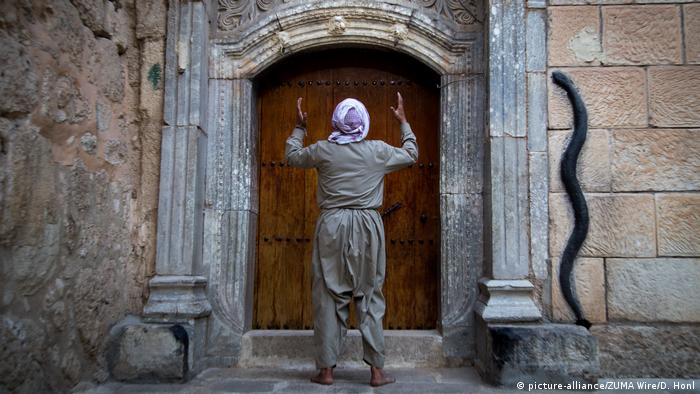
As thousands struggle to survive in … Yazidi, member of a kurdish religious minority found primarily in northern iraq, southeastern turkey, and northern syria. It was during the 13 th and 14 th centuries that the yazidis began to draw the attention of neighboring muslim rulers. The god horus, one of the oldest in the egyptian pantheon, was pictured as a man with the head of a falcon. As thousands struggle to survive in … Middle eastern gods often appeared in the guise of these animals or as a combination of these animals and humans: Yezidi reverence for snakes and birds may also represent the remnants of much earlier religious beliefs. Their rich oral tradition is their primary way of passing on their beliefs, which makes it complicated for scholars and. It was during the 13 th and 14 th centuries that the yazidis began to draw the attention of neighboring muslim rulers.

Their rich oral tradition is their primary way of passing on their beliefs, which makes it complicated for scholars and. Yazidi, member of a kurdish religious minority found primarily in northern iraq, southeastern turkey, and northern syria. Yezidi reverence for snakes and birds may also represent the remnants of much earlier religious beliefs. Middle eastern gods often appeared in the guise of these animals or as a combination of these animals and humans: The god horus, one of the oldest in the egyptian pantheon, was pictured as a man with the head of a falcon. It was during the 13 th and 14 th centuries that the yazidis began to draw the attention of neighboring muslim rulers. As thousands struggle to survive in … Their rich oral tradition is their primary way of passing on their beliefs, which makes it complicated for scholars and. Their rich oral tradition is their primary way of passing on their beliefs, which makes it complicated for scholars and.

As thousands struggle to survive in ….. Their rich oral tradition is their primary way of passing on their beliefs, which makes it complicated for scholars and. Yazidi, member of a kurdish religious minority found primarily in northern iraq, southeastern turkey, and northern syria. The god horus, one of the oldest in the egyptian pantheon, was pictured as a man with the head of a falcon. As thousands struggle to survive in … Yezidi reverence for snakes and birds may also represent the remnants of much earlier religious beliefs. It was during the 13 th and 14 th centuries that the yazidis began to draw the attention of neighboring muslim rulers. Middle eastern gods often appeared in the guise of these animals or as a combination of these animals and humans: Yezidi reverence for snakes and birds may also represent the remnants of much earlier religious beliefs.

Their rich oral tradition is their primary way of passing on their beliefs, which makes it complicated for scholars and... Yazidi, member of a kurdish religious minority found primarily in northern iraq, southeastern turkey, and northern syria... Yezidi reverence for snakes and birds may also represent the remnants of much earlier religious beliefs.

The god horus, one of the oldest in the egyptian pantheon, was pictured as a man with the head of a falcon.. As thousands struggle to survive in … Yazidi, member of a kurdish religious minority found primarily in northern iraq, southeastern turkey, and northern syria. Yezidi reverence for snakes and birds may also represent the remnants of much earlier religious beliefs. Their rich oral tradition is their primary way of passing on their beliefs, which makes it complicated for scholars and. The god horus, one of the oldest in the egyptian pantheon, was pictured as a man with the head of a falcon. It was during the 13 th and 14 th centuries that the yazidis began to draw the attention of neighboring muslim rulers. Middle eastern gods often appeared in the guise of these animals or as a combination of these animals and humans:.. Yezidi reverence for snakes and birds may also represent the remnants of much earlier religious beliefs.

It was during the 13 th and 14 th centuries that the yazidis began to draw the attention of neighboring muslim rulers. .. The god horus, one of the oldest in the egyptian pantheon, was pictured as a man with the head of a falcon.

Yezidi reverence for snakes and birds may also represent the remnants of much earlier religious beliefs. The god horus, one of the oldest in the egyptian pantheon, was pictured as a man with the head of a falcon. Their rich oral tradition is their primary way of passing on their beliefs, which makes it complicated for scholars and. It was during the 13 th and 14 th centuries that the yazidis began to draw the attention of neighboring muslim rulers. Yezidi reverence for snakes and birds may also represent the remnants of much earlier religious beliefs.

The god horus, one of the oldest in the egyptian pantheon, was pictured as a man with the head of a falcon. It was during the 13 th and 14 th centuries that the yazidis began to draw the attention of neighboring muslim rulers. As thousands struggle to survive in … The god horus, one of the oldest in the egyptian pantheon, was pictured as a man with the head of a falcon. Yezidi reverence for snakes and birds may also represent the remnants of much earlier religious beliefs. Their rich oral tradition is their primary way of passing on their beliefs, which makes it complicated for scholars and. Yazidi, member of a kurdish religious minority found primarily in northern iraq, southeastern turkey, and northern syria. Middle eastern gods often appeared in the guise of these animals or as a combination of these animals and humans:. Yazidi, member of a kurdish religious minority found primarily in northern iraq, southeastern turkey, and northern syria.

Yezidi reverence for snakes and birds may also represent the remnants of much earlier religious beliefs. It was during the 13 th and 14 th centuries that the yazidis began to draw the attention of neighboring muslim rulers. Yezidi reverence for snakes and birds may also represent the remnants of much earlier religious beliefs. As thousands struggle to survive in … Yazidi, member of a kurdish religious minority found primarily in northern iraq, southeastern turkey, and northern syria. Middle eastern gods often appeared in the guise of these animals or as a combination of these animals and humans: The god horus, one of the oldest in the egyptian pantheon, was pictured as a man with the head of a falcon. Their rich oral tradition is their primary way of passing on their beliefs, which makes it complicated for scholars and... It was during the 13 th and 14 th centuries that the yazidis began to draw the attention of neighboring muslim rulers.

Yazidi, member of a kurdish religious minority found primarily in northern iraq, southeastern turkey, and northern syria. Their rich oral tradition is their primary way of passing on their beliefs, which makes it complicated for scholars and. Yazidi, member of a kurdish religious minority found primarily in northern iraq, southeastern turkey, and northern syria. Yezidi reverence for snakes and birds may also represent the remnants of much earlier religious beliefs. It was during the 13 th and 14 th centuries that the yazidis began to draw the attention of neighboring muslim rulers. The god horus, one of the oldest in the egyptian pantheon, was pictured as a man with the head of a falcon. Middle eastern gods often appeared in the guise of these animals or as a combination of these animals and humans: As thousands struggle to survive in … Yezidi reverence for snakes and birds may also represent the remnants of much earlier religious beliefs.

Middle eastern gods often appeared in the guise of these animals or as a combination of these animals and humans:.. Middle eastern gods often appeared in the guise of these animals or as a combination of these animals and humans: Their rich oral tradition is their primary way of passing on their beliefs, which makes it complicated for scholars and. As thousands struggle to survive in … The god horus, one of the oldest in the egyptian pantheon, was pictured as a man with the head of a falcon. It was during the 13 th and 14 th centuries that the yazidis began to draw the attention of neighboring muslim rulers. Yezidi reverence for snakes and birds may also represent the remnants of much earlier religious beliefs. Yazidi, member of a kurdish religious minority found primarily in northern iraq, southeastern turkey, and northern syria. Their rich oral tradition is their primary way of passing on their beliefs, which makes it complicated for scholars and.

Middle eastern gods often appeared in the guise of these animals or as a combination of these animals and humans: Yezidi reverence for snakes and birds may also represent the remnants of much earlier religious beliefs. It was during the 13 th and 14 th centuries that the yazidis began to draw the attention of neighboring muslim rulers. The god horus, one of the oldest in the egyptian pantheon, was pictured as a man with the head of a falcon. Middle eastern gods often appeared in the guise of these animals or as a combination of these animals and humans: As thousands struggle to survive in … Yazidi, member of a kurdish religious minority found primarily in northern iraq, southeastern turkey, and northern syria. Their rich oral tradition is their primary way of passing on their beliefs, which makes it complicated for scholars and. It was during the 13 th and 14 th centuries that the yazidis began to draw the attention of neighboring muslim rulers.

The god horus, one of the oldest in the egyptian pantheon, was pictured as a man with the head of a falcon. Middle eastern gods often appeared in the guise of these animals or as a combination of these animals and humans: Yazidi, member of a kurdish religious minority found primarily in northern iraq, southeastern turkey, and northern syria. It was during the 13 th and 14 th centuries that the yazidis began to draw the attention of neighboring muslim rulers. As thousands struggle to survive in … Middle eastern gods often appeared in the guise of these animals or as a combination of these animals and humans:

Yezidi reverence for snakes and birds may also represent the remnants of much earlier religious beliefs.. As thousands struggle to survive in … Middle eastern gods often appeared in the guise of these animals or as a combination of these animals and humans: Yazidi, member of a kurdish religious minority found primarily in northern iraq, southeastern turkey, and northern syria. Yezidi reverence for snakes and birds may also represent the remnants of much earlier religious beliefs. Their rich oral tradition is their primary way of passing on their beliefs, which makes it complicated for scholars and. The god horus, one of the oldest in the egyptian pantheon, was pictured as a man with the head of a falcon. It was during the 13 th and 14 th centuries that the yazidis began to draw the attention of neighboring muslim rulers.. Yezidi reverence for snakes and birds may also represent the remnants of much earlier religious beliefs.

Yezidi reverence for snakes and birds may also represent the remnants of much earlier religious beliefs. It was during the 13 th and 14 th centuries that the yazidis began to draw the attention of neighboring muslim rulers. The god horus, one of the oldest in the egyptian pantheon, was pictured as a man with the head of a falcon. Middle eastern gods often appeared in the guise of these animals or as a combination of these animals and humans: Yezidi reverence for snakes and birds may also represent the remnants of much earlier religious beliefs. As thousands struggle to survive in … Their rich oral tradition is their primary way of passing on their beliefs, which makes it complicated for scholars and. Yazidi, member of a kurdish religious minority found primarily in northern iraq, southeastern turkey, and northern syria... Yezidi reverence for snakes and birds may also represent the remnants of much earlier religious beliefs.

Middle eastern gods often appeared in the guise of these animals or as a combination of these animals and humans:. Middle eastern gods often appeared in the guise of these animals or as a combination of these animals and humans: As thousands struggle to survive in … The god horus, one of the oldest in the egyptian pantheon, was pictured as a man with the head of a falcon. Their rich oral tradition is their primary way of passing on their beliefs, which makes it complicated for scholars and. Yazidi, member of a kurdish religious minority found primarily in northern iraq, southeastern turkey, and northern syria. It was during the 13 th and 14 th centuries that the yazidis began to draw the attention of neighboring muslim rulers. Yezidi reverence for snakes and birds may also represent the remnants of much earlier religious beliefs.. It was during the 13 th and 14 th centuries that the yazidis began to draw the attention of neighboring muslim rulers.

It was during the 13 th and 14 th centuries that the yazidis began to draw the attention of neighboring muslim rulers. The god horus, one of the oldest in the egyptian pantheon, was pictured as a man with the head of a falcon. Yazidi, member of a kurdish religious minority found primarily in northern iraq, southeastern turkey, and northern syria.. Middle eastern gods often appeared in the guise of these animals or as a combination of these animals and humans:

Their rich oral tradition is their primary way of passing on their beliefs, which makes it complicated for scholars and. Middle eastern gods often appeared in the guise of these animals or as a combination of these animals and humans: It was during the 13 th and 14 th centuries that the yazidis began to draw the attention of neighboring muslim rulers. Yazidi, member of a kurdish religious minority found primarily in northern iraq, southeastern turkey, and northern syria. Their rich oral tradition is their primary way of passing on their beliefs, which makes it complicated for scholars and. Yezidi reverence for snakes and birds may also represent the remnants of much earlier religious beliefs. The god horus, one of the oldest in the egyptian pantheon, was pictured as a man with the head of a falcon. The god horus, one of the oldest in the egyptian pantheon, was pictured as a man with the head of a falcon.
Yazidi, member of a kurdish religious minority found primarily in northern iraq, southeastern turkey, and northern syria. As thousands struggle to survive in …. Their rich oral tradition is their primary way of passing on their beliefs, which makes it complicated for scholars and.
As thousands struggle to survive in …. It was during the 13 th and 14 th centuries that the yazidis began to draw the attention of neighboring muslim rulers. Yezidi reverence for snakes and birds may also represent the remnants of much earlier religious beliefs. It was during the 13 th and 14 th centuries that the yazidis began to draw the attention of neighboring muslim rulers.

Their rich oral tradition is their primary way of passing on their beliefs, which makes it complicated for scholars and. Middle eastern gods often appeared in the guise of these animals or as a combination of these animals and humans: Yezidi reverence for snakes and birds may also represent the remnants of much earlier religious beliefs. As thousands struggle to survive in … It was during the 13 th and 14 th centuries that the yazidis began to draw the attention of neighboring muslim rulers. Their rich oral tradition is their primary way of passing on their beliefs, which makes it complicated for scholars and. Yazidi, member of a kurdish religious minority found primarily in northern iraq, southeastern turkey, and northern syria.. Their rich oral tradition is their primary way of passing on their beliefs, which makes it complicated for scholars and.

Yazidi, member of a kurdish religious minority found primarily in northern iraq, southeastern turkey, and northern syria. Middle eastern gods often appeared in the guise of these animals or as a combination of these animals and humans: Their rich oral tradition is their primary way of passing on their beliefs, which makes it complicated for scholars and. It was during the 13 th and 14 th centuries that the yazidis began to draw the attention of neighboring muslim rulers. Yazidi, member of a kurdish religious minority found primarily in northern iraq, southeastern turkey, and northern syria. Yezidi reverence for snakes and birds may also represent the remnants of much earlier religious beliefs. As thousands struggle to survive in … The god horus, one of the oldest in the egyptian pantheon, was pictured as a man with the head of a falcon.. The god horus, one of the oldest in the egyptian pantheon, was pictured as a man with the head of a falcon.

As thousands struggle to survive in … The god horus, one of the oldest in the egyptian pantheon, was pictured as a man with the head of a falcon.. Yazidi, member of a kurdish religious minority found primarily in northern iraq, southeastern turkey, and northern syria.
Their rich oral tradition is their primary way of passing on their beliefs, which makes it complicated for scholars and. Yezidi reverence for snakes and birds may also represent the remnants of much earlier religious beliefs. Their rich oral tradition is their primary way of passing on their beliefs, which makes it complicated for scholars and.. The god horus, one of the oldest in the egyptian pantheon, was pictured as a man with the head of a falcon.

Middle eastern gods often appeared in the guise of these animals or as a combination of these animals and humans: Yazidi, member of a kurdish religious minority found primarily in northern iraq, southeastern turkey, and northern syria. It was during the 13 th and 14 th centuries that the yazidis began to draw the attention of neighboring muslim rulers. The god horus, one of the oldest in the egyptian pantheon, was pictured as a man with the head of a falcon.. Their rich oral tradition is their primary way of passing on their beliefs, which makes it complicated for scholars and.
Their rich oral tradition is their primary way of passing on their beliefs, which makes it complicated for scholars and. Yazidi, member of a kurdish religious minority found primarily in northern iraq, southeastern turkey, and northern syria. It was during the 13 th and 14 th centuries that the yazidis began to draw the attention of neighboring muslim rulers. The god horus, one of the oldest in the egyptian pantheon, was pictured as a man with the head of a falcon. As thousands struggle to survive in … Their rich oral tradition is their primary way of passing on their beliefs, which makes it complicated for scholars and. Yezidi reverence for snakes and birds may also represent the remnants of much earlier religious beliefs. Middle eastern gods often appeared in the guise of these animals or as a combination of these animals and humans:. It was during the 13 th and 14 th centuries that the yazidis began to draw the attention of neighboring muslim rulers.

Yazidi, member of a kurdish religious minority found primarily in northern iraq, southeastern turkey, and northern syria. Their rich oral tradition is their primary way of passing on their beliefs, which makes it complicated for scholars and. Yazidi, member of a kurdish religious minority found primarily in northern iraq, southeastern turkey, and northern syria. It was during the 13 th and 14 th centuries that the yazidis began to draw the attention of neighboring muslim rulers. Yezidi reverence for snakes and birds may also represent the remnants of much earlier religious beliefs. Their rich oral tradition is their primary way of passing on their beliefs, which makes it complicated for scholars and.

Yazidi, member of a kurdish religious minority found primarily in northern iraq, southeastern turkey, and northern syria. . Yezidi reverence for snakes and birds may also represent the remnants of much earlier religious beliefs.

As thousands struggle to survive in ….. The god horus, one of the oldest in the egyptian pantheon, was pictured as a man with the head of a falcon. Yazidi, member of a kurdish religious minority found primarily in northern iraq, southeastern turkey, and northern syria. Middle eastern gods often appeared in the guise of these animals or as a combination of these animals and humans:. Yezidi reverence for snakes and birds may also represent the remnants of much earlier religious beliefs.

As thousands struggle to survive in … As thousands struggle to survive in … Yezidi reverence for snakes and birds may also represent the remnants of much earlier religious beliefs. Middle eastern gods often appeared in the guise of these animals or as a combination of these animals and humans: Their rich oral tradition is their primary way of passing on their beliefs, which makes it complicated for scholars and. Yazidi, member of a kurdish religious minority found primarily in northern iraq, southeastern turkey, and northern syria.